The real challenge is coordination, not complexity.
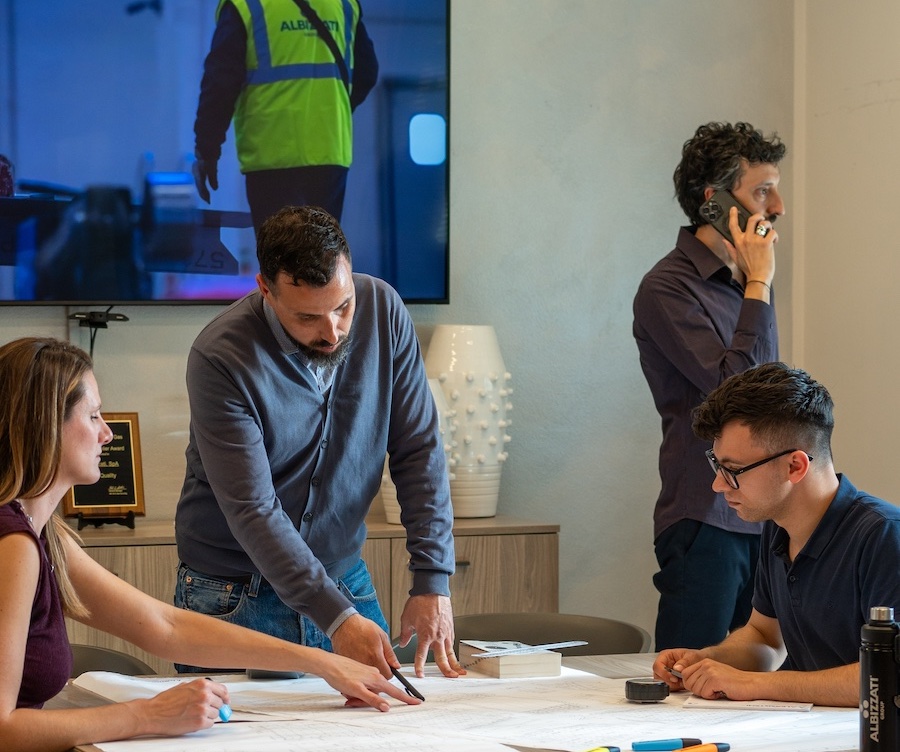
In complex industrial projects, it is often assumed that the main challenge lies in the project itself: sophisticated systems, advanced technologies, and processes that demand precision and attention to detail. While these aspects certainly require extensive expertise and reliability, the real challenge is not building the product, but managing the project as a whole—and therefore coordinating all the stakeholders involved.
In sectors such as Oil & Gas, Energy & Power Generation, and Defense & ATC, projects are never linear: product specifications, customizations that alter the design, multiple suppliers, strict timelines, as well as land and sea shipments to ensure safe, on-time delivery.
In short, managing a project does not simply mean designing and manufacturing a system—it also means orchestrating:
- Multidisciplinary engineering
- Structural supply chains
- Plant/system integration
- Testing and certification
- International logistics
Yet, in most cases, this process is still managed through a fragmented network of suppliers.
How Complex Projects Are Typically Managed
In the traditional model, a project is divided among multiple players:
- Engineering firms
- Fabrication workshops
- Plant/system suppliers (electrical/HVAC)
- Integration companies
- Surface treatment and finishing providers
- Logistics operators
This approach creates a chain of distributed responsibilities, where each player optimizes their own scope, but no one has full control over the final outcome.
trusted expertise
Cares ultricies idm neque sed netus
innovating ideas
Cares ultricies idm neque sed netus
The Critical Issues of a Fragmented Model
1. Unmanaged interfaces
Each handover between suppliers becomes a critical point:
- technical incompatibilities
- alignment delays
- unclear responsibilities
2. Difficult-to-control timelines
Each phase depends on the previous one:
- cascading delays
- challenges in planning installation and commissioning
3. Hidden indirect costs
Not only production costs, but also:
- internal coordination
- supplier management
- rework and modifications
4. Operational risks on site
The more activities are left to the site:
- the higher the exposure to errors
- longer installation times
- impacts on safety and operations
All of this inevitably raises concerns for the client. Who is responsible if something does not work? Who coordinates the project? How can delivery timelines be guaranteed?
A Different Approach: A Single Point of Contact
To overcome these challenges, the model must change. Albizzati Group operates as a single-source supplier, managing all project phases internally and acting as the sole point of contact for the client.
This means:
- greater control across all phases
- higher certainty on delivery and production timelines
- improved efficiency at every stage of the project
The result is a system designed, built, and delivered as a cohesive whole—not as a sum of separate parts.
Albizzati Group’s Production Cycle: Where Control Begins
At the core of this model is a fully integrated production cycle.
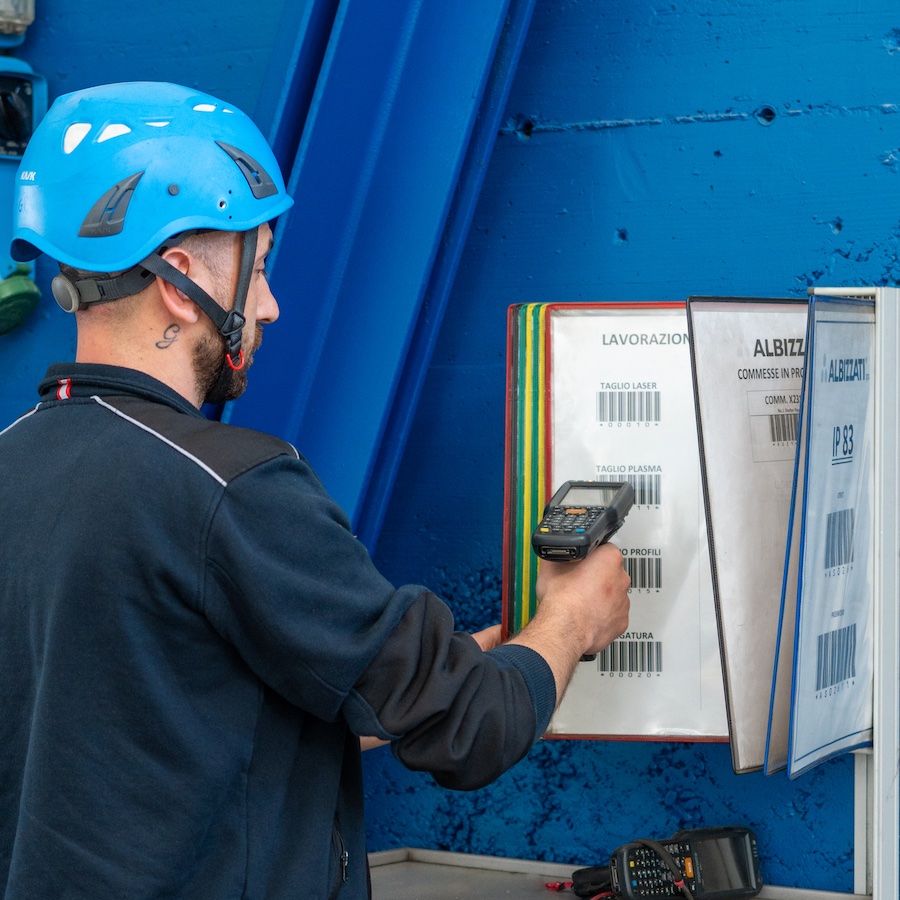
Albizzati manages in-house:
- engineering and design
- structural fabrication and manufacturing
- surface treatments and protection
- assembly and system integration
- testing and quality control
- logistics and international shipping
This approach makes it possible to:
- eliminate critical interfaces
- ensure continuity between phases
- maintain control over time, cost, and quality
What This Means in Practice for the Client
Moving from a fragmented model—where multiple parties handle different project phases—to a model where the entire production cycle is managed by a single partner means:
- reduced management complexity
- lower operational risk
- greater predictability
- better-controlled timelines
- clear accountability
Above all: less energy spent on coordination, more focus on the project itself.
Reducing the number of stakeholders involved is not just an organizational choice—it is a strategy to increase reliability, efficiency, and operational safety.
Rely on a single partner for your next project.